Read Article
Red Diesel Rules Explained for Summer Farming Operations
June 3, 2026/Agricultural



 Malvern01432 381907Northampton01604 345526
 Emergenciesemergency@compassenergy.co.ukORDER FUEL ONLINE NOW
As UK summers grow hotter and deplorably unpredictable, especially in July and August when air temperatures can reach 30°C or beyond, fuel storage on farms demands extra attention. High temperatures accelerate fuel degradation, increase tank pressure, and heighten environmental and safety risks.
With farms relying heavily on bulk fuels for machinery, generators, and heating, proper farm fuel storage in summer is essential for compliance, productivity, and to prevent costly incidents.
This blog covers everything UK farmers need to know about bulk fuel storage safety in summer. The science of what heat does to your fuel, a pre-season checklist, and how to manage fuel quality in the sweltering summer. So, let’s get going!
Diesel expands as it heats, potentially stressing tank walls, seals, and valves. A tank filled to near-capacity during a cooler morning delivery can face pressure stress by mid-afternoon if vents are partially blocked or pressure relief valves are poorly maintained.
According to BP fuel storage data, diesel stored at around 20°C can remain in usable condition for 12 months or longer. At ambient temperatures consistently above 30°C, that window narrows to 6-12 months.
Heat accelerates oxidation, the chemical process where diesel reacts with oxygen to form sludge, gums, and sediment. Once that process is underway, it clogs fuel filters, damages injectors, and degrades engine performance in the very machinery you need most at harvest.
When a tank heats during the day and cools overnight, temperature cycling causes moisture to condense on the inner tank walls. That water settles at the bottom of the tank.
Water in diesel creates the perfect conditions for microbial growth, bacteria, and fungi that produce sludge, corrode tank walls from the inside, and further degrade fuel quality.
Red diesel is classified as a combustible rather than flammable fuel, with a flash point above 55°C. While this makes it safer to store than petrol, hot weather does increase vapour production around fill points, vents, and any damaged seals.
In the vicinity of machinery, straw, or dry crop material, all abundant on a summer farm, that’s not a risk to dismiss.
Fuel theft remains a major rural crime. NFU Mutual’s 2026 Rural Crime Report estimated rural crime cost the UK £41.5 million in 2025, with agricultural fuel a frequent target.
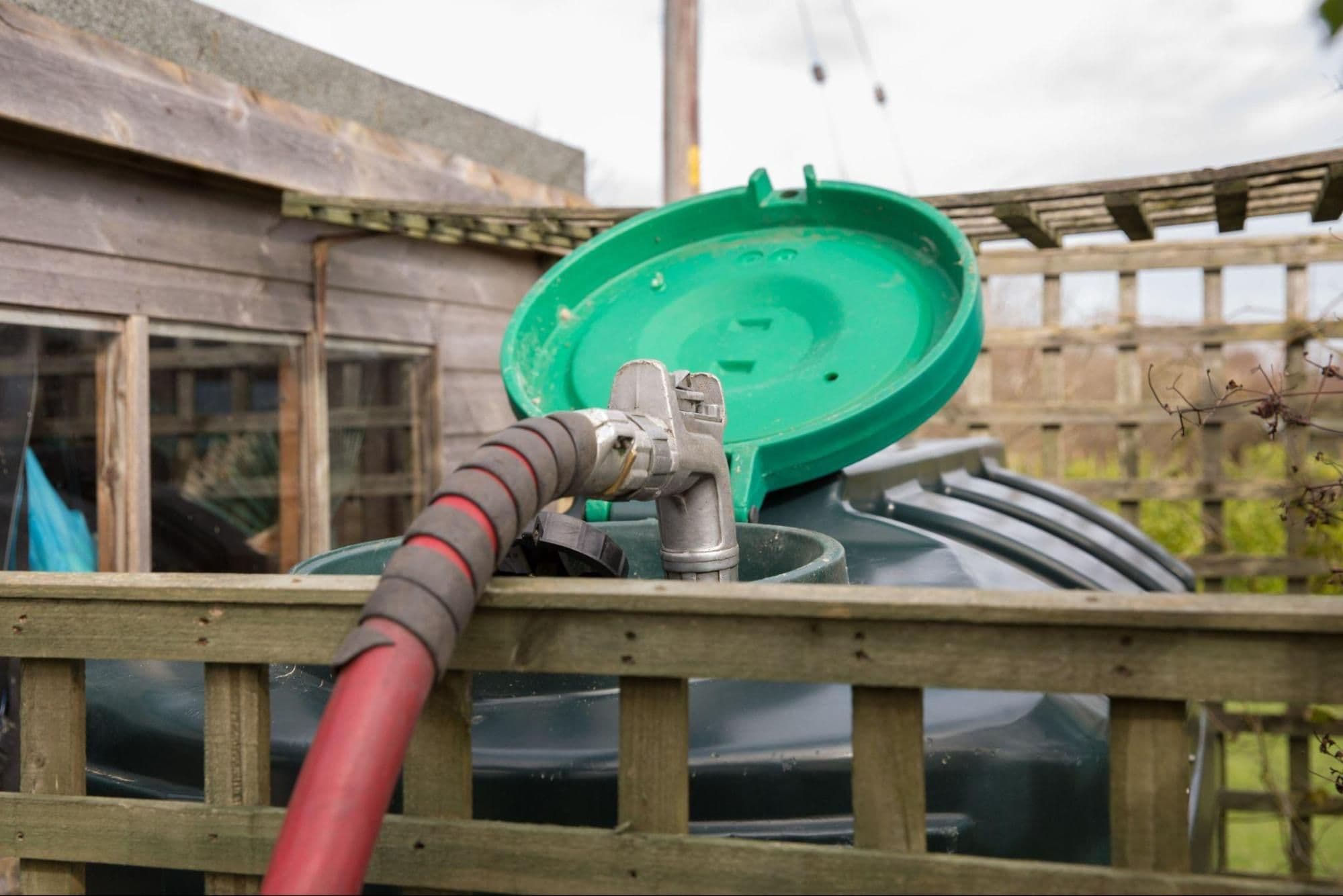
Before the busy season is fully underway, ask yourself these five questions. Each one maps to a compliance or safety requirement:
If any answer is no, that’s the starting point, not something to defer until after harvest.
Weekly visual checks are recommended during periods of hot weather to spot early signs of pressure build-up, leaks, or contamination. In addition, arrange a professional OFTEC-registered inspection at least annually, or more frequently after extreme heatwaves or storms.
SSAFO regulations primarily apply to agricultural fuel oil storage exceeding 1,500 litres. However, smaller installations or fuels used for non-agricultural purposes (such as commercial vehicles) may fall under the separate Control of Pollution (Oil Storage) Regulations 2001.
Diesel quality begins to degrade more rapidly above 20–25°C, with oxidation and microbial growth accelerating significantly in sustained heat above 30°C. Keeping your bulk fuel storage shaded and well-ventilated helps maintain fuel stability and prevents sludge formation, which can damage machinery.
Yes, for any agricultural fuel oil installation over 1,500 litres under SSAFO rules, secondary containment (bunding) with at least 110% of the largest tank’s capacity is mandatory.
Practical steps include installing high-security locked caps, perimeter fencing with CCTV or motion-sensor lighting, and alarm systems. Many farmers are also adopting telemetry-based tank monitors that send alerts for unusual activity.
Bulk fuel storage safety on farms during hot weather is not a niche concern. It sits at the intersection of operational reliability, environmental responsibility, and financial protection.
At Compass Energy, we supply high-quality agricultural diesel to farms across the UK and are committed to being more than just a delivery service. We’re here to help you store safely, stay compliant, and keep your operation running when it matters most.
Talk to us today for a free quote on farm fuel supply, and ask our team about our Tank Mate service to monitor your on-farm storage through the summer season.
Red Diesel Rules Explained for Summer Farming Operations
June 3, 2026/Agricultural
Reliable Fuel Supply vs Buying on the Spot Market
April 9, 2026/Agricultural | Industrial
Seasonal Fuel Needs: Preparing Your Farm for Spring Planting and Harvest Season
July 15, 2025/Agricultural