Read Article
How to Inspect Your Oil Tank for Leaks and Damage
March 11, 2026/Heating Oil | Domestic



 Malvern01432 381907Northampton01604 345526
 Emergenciesemergency@compassenergy.co.ukORDER FUEL ONLINE NOW

A faster drop in the oil level can have a few causes: colder weather, more heating or hot-water use, or a gauge that isn’t reading accurately. It doesn’t necessarily mean there’s a problem with the boiler.
So, how much heating oil does a house use? There isn’t one figure that fits every home. The property, its insulation, heating controls, and how the household uses heating and hot water all affect demand. If you’re searching for “average heating oil usage per month UK”, remember that one household’s experience won’t necessarily predict yours.
Before assuming there’s a fault, work through these eight possibilities.
A colder spell can mean your heating runs for longer to keep the house comfortable. Comparing use in colder weather with a mild spell may therefore make consumption look like it has suddenly changed.
Check: Compare dated tank readings from periods with similar weather, if you have them. Record the date and reading, and note any delivery between readings. Avoid drawing conclusions from one reading alone: it may reflect a short-term change rather than a lasting shift.
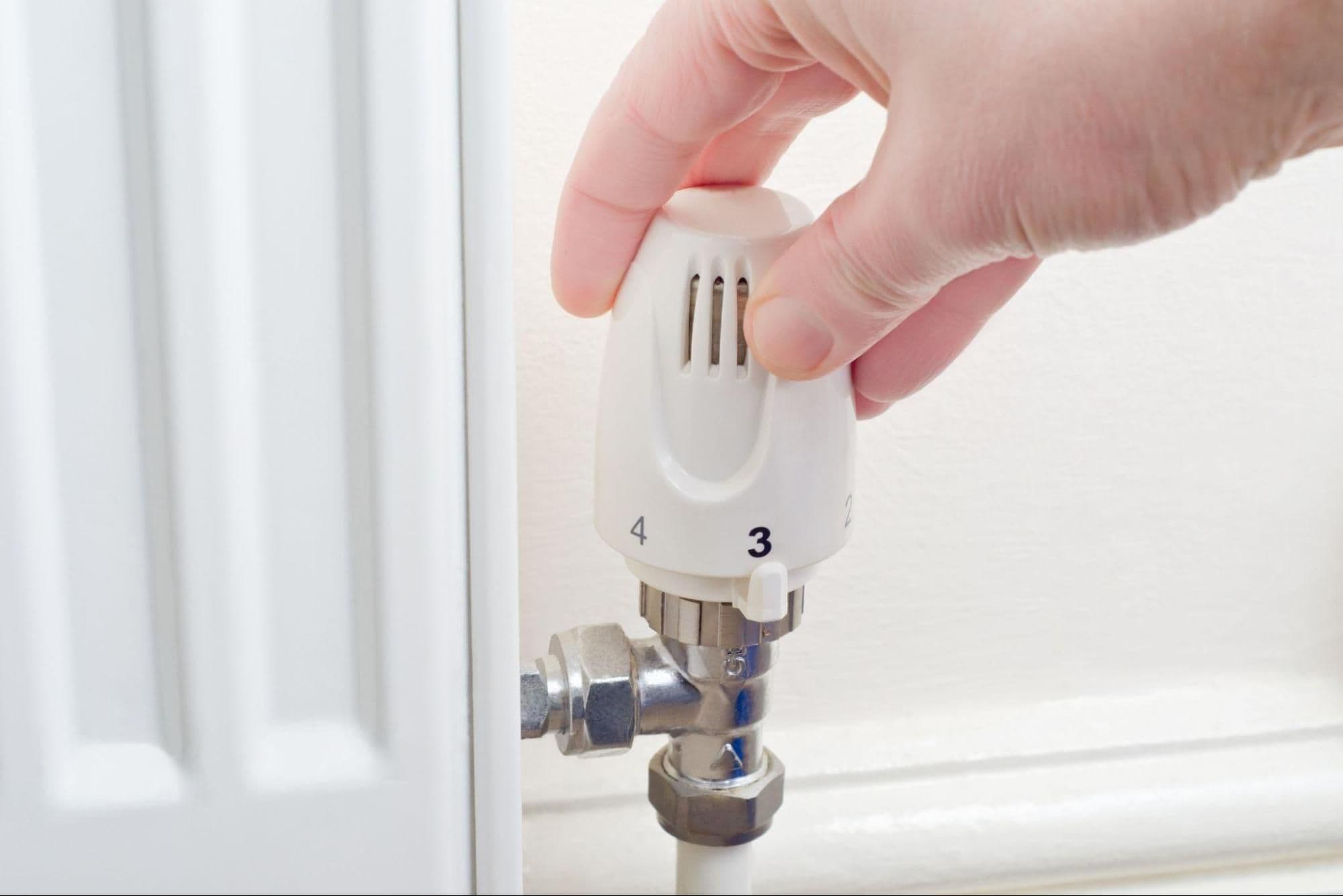
A programmer may have been reset, a thermostat turned up, or an app schedule changed without anyone noticing. Heating controls affect when the heating comes on and how warm your home gets.
The Energy Saving Trust’s guide to heating controls explains the role of programmers, thermostats and other controls with oil boilers.
Check: Review your programmer, thermostat and any heating app. Compare the current settings with the routine you intended. If you’re unsure how a control works, check its manual rather than changing boiler settings.
The controls might be unchanged while your routine has shifted. Someone may be at home more often, guests may be staying, or rooms that were previously kept cooler may now be heated regularly. Those differences can affect how often the heating runs.
Check: Think about what’s changed since last year: which rooms are heated, when people are home and whether windows or external doors are left open while the heating is on.
A brief note of your daily routine may help you spot a pattern. This isn’t a diagnosis, but it can help explain a gradual increase.
Some oil boilers provide both space heating and domestic hot water. Longer showers, more baths or extra laundry could add to demand, particularly if your system uses a hot-water cylinder.
Check: Confirm whether your boiler supplies hot water, then review the cylinder timer and thermostat settings using the system manual. The Energy Saving Trust’s boiler guide describes different boiler types and household hot-water needs.
Don’t adjust unfamiliar equipment; ask a qualified professional if you’re unsure what a setting does.
A new draught around a door, a window that no longer closes properly or a change to insulation could affect how easily your home stays warm.
The GOV.UK home energy efficiency service asks about insulation, windows and other property details when suggesting improvements for homes in England and Wales.
Check: Look for obvious changes since last winter, such as a new draught or damaged window seal. Don’t block ventilation openings. If you’re considering insulation work, get advice suited to your property rather than making changes around heating equipment.
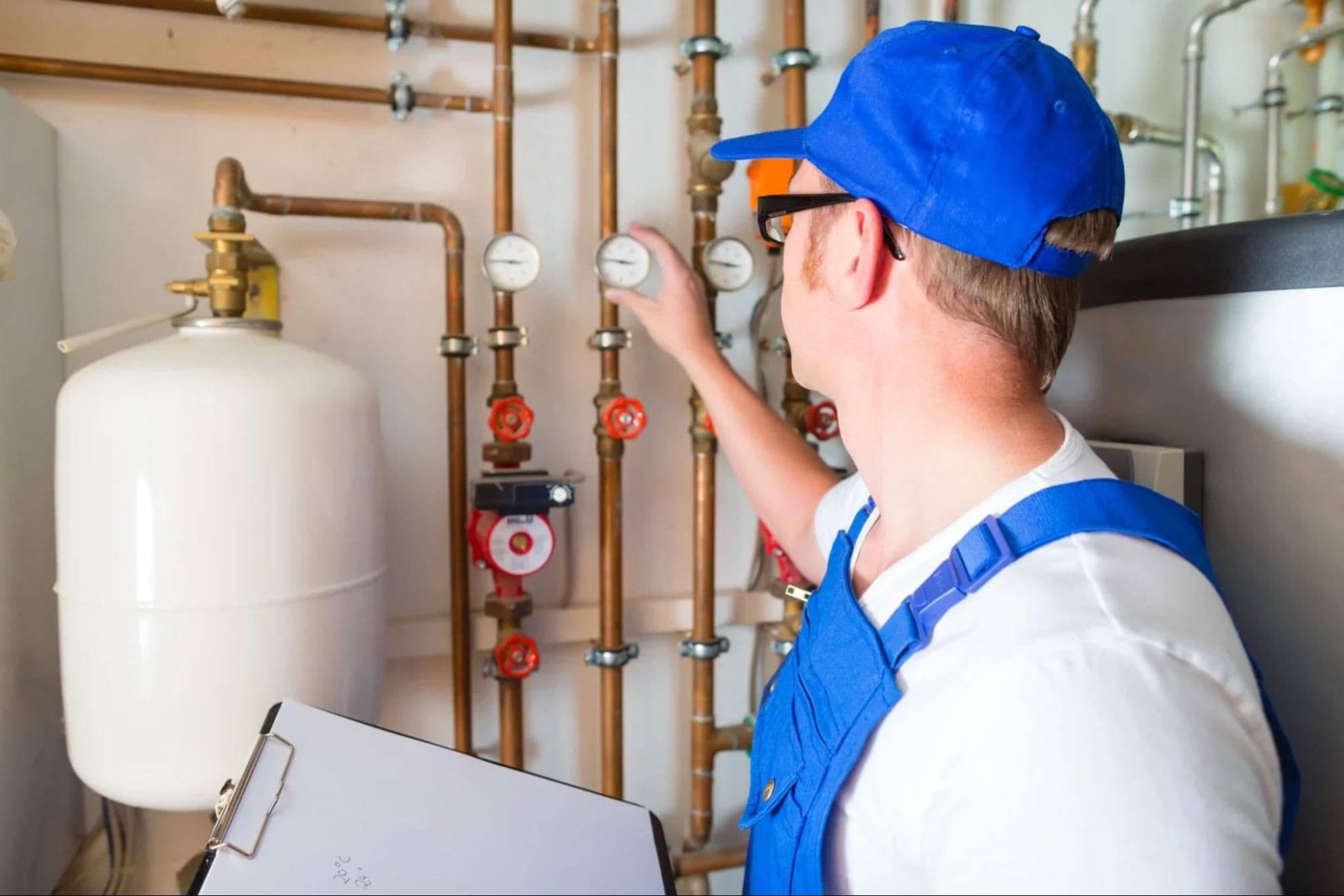
A change in fuel use doesn’t, by itself, prove that your boiler is faulty or that its oil boiler efficiency has changed. But if it’s also heating the home differently or behaving unusually, it’s sensible to have it checked.
Check: Look at your service history and note any changes in performance. Arrange an assessment by a qualified oil-heating professional. Try not to attempt boiler repairs or burner adjustments yourself.
Read more about why maintenance matters for your heating oil system.
An oil tank gauge reading isn’t a direct record of how much your boiler has burned. A single reading can be difficult to compare with a past one, especially if you’re unsure how the gauge works or a delivery has taken place in between.
Check: Follow the gauge instructions and write down readings alongside delivery dates and amounts. Compare readings taken in the same way over time. If your gauge reports a percentage, don’t assume it translates exactly into litres unless the manufacturer’s instructions say how to interpret it. OFTEC notes that some electronic gauges can alert owners to sudden level drops; an unexplained sharp change should be investigated rather than assumed to be normal use.
If the level has fallen sharply without a matching change in heating use, consider whether oil could be escaping or missing.
Our guide to checking your oil tank for leaks and damage explains what to look for.
Check: From a safe distance, look for visible damage or signs of oil around the tank. Don’t open, move or try to repair it. If you suspect a leak or theft, contact your oil supplier and a qualified oil-heating professional promptly.
Start with the changes you can safely confirm: weather, heating schedules, household routines, hot-water use and dated tank readings. If the boiler is behaving differently, or the tank appears damaged or to be losing oil, contact a qualified professional.
For further information about Compass Energy’s domestic heating oil, see our domestic fuel page. If you need to check delivery options, use the get a free quote page.
How to Inspect Your Oil Tank for Leaks and Damage
March 11, 2026/Heating Oil | Domestic
Emergency Domestic Heating Oil Delivery: How to Get It Fast in the UK
November 21, 2025/Domestic

Top Questions to Ask Your Heating Oil Supplier
December 5, 2024/Heating Oil Supplier | Domestic