





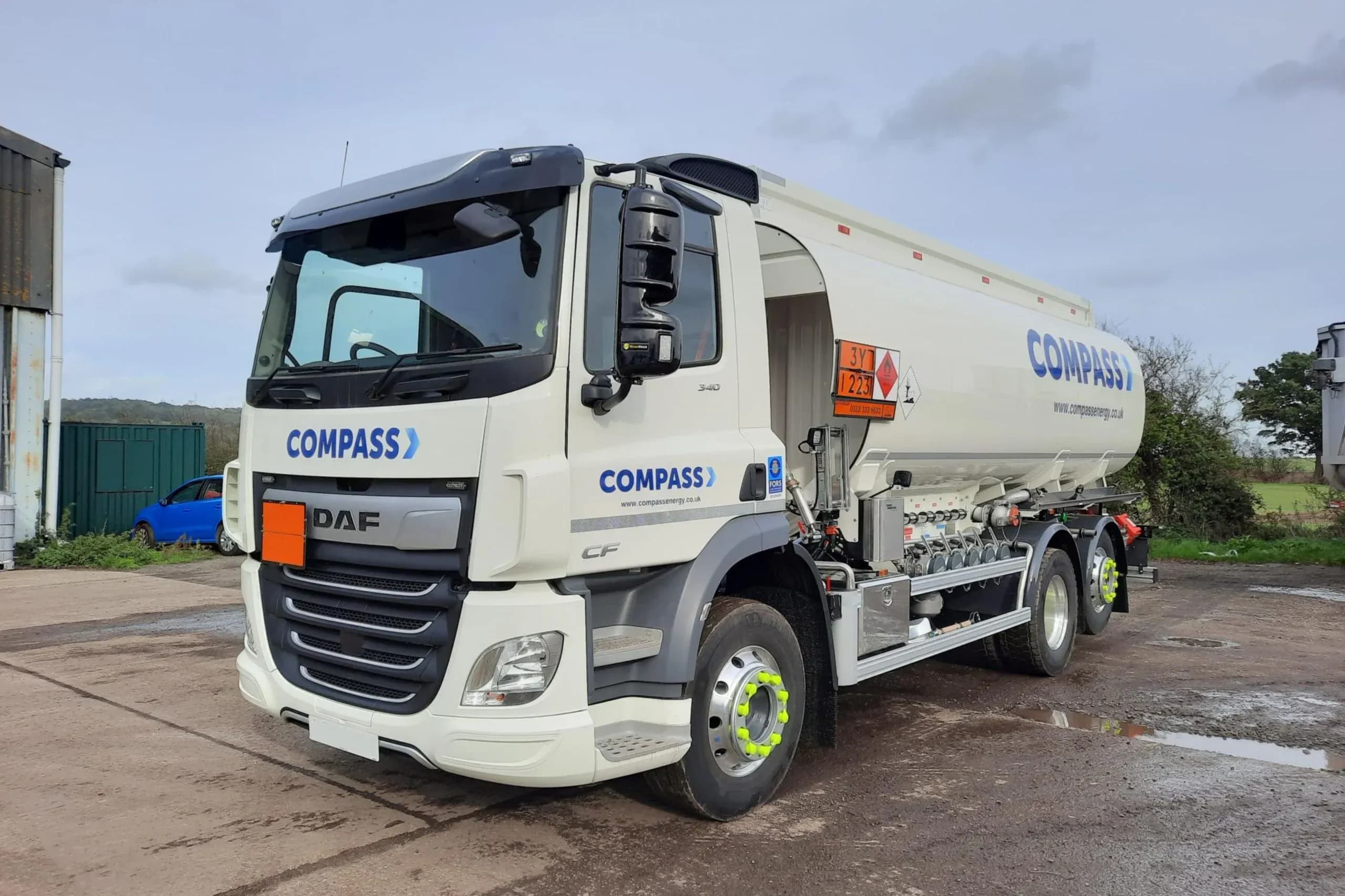
Summer Construction Fuel Demand: Planning Ahead for UK Projects
UK construction sector gears up for another busy period. The arrival of summer brings longer daylight hours, improved weather conditions, and a noticeable surge in project activity across residential, commercial, and infrastructure developments.
For project managers and site operators, reliable construction fuel delivery is critical to avoiding costly downtime. A single delay in refuelling excavators, cranes, generators, or transport fleets can cascade into missed milestones, inflated labour costs, and penalties under tight contract schedules.
In this comprehensive guide, we explore the drivers behind seasonal fuel spikes and the 5 key challenges of managing supply on active sites. We’ll also cover the tangible benefits of professional commercial fuel delivery and practical strategies to optimise your approach. So, let’s dive in!
Why Summer Brings a Spike in Construction Fuel Delivery
Summer is synonymous with accelerated progress in the UK construction industry. Favourable weather reduces weather-related delays, while extended daylight supports longer working days and higher productivity.
According to the Construction Products Association (CPA), overall construction output is forecast to rise by 1.7% in 2026, with infrastructure output showing stronger growth at approximately 3.9%. This uptick is driven by ongoing investments in transport, energy, utilities, and housing pipelines valued in the hundreds of billions.
This increased activity directly fuels summer construction fuel demand. Diesel consumption rises significantly as more plant and machinery run for extended periods. Generators power site offices and lighting, while fleets of lorries and vans handle increased material movements.
Historical patterns show diesel use can increase by 20-30% or more during peak summer months compared to quieter periods, depending on project scale and intensity. Without careful management, sites risk running low on fuel precisely when operational tempo is highest.
5 Challenges of Managing Construction Fuel Delivery

The combination of heightened demand and seasonal factors creates several operational hurdles for construction site fuel delivery:
- Competing Sector Pressures
Agriculture, road transport, and tourism also ramp up fuel needs in summer, potentially straining national supply chains and leading to price volatility or longer lead times for standard deliveries.
- Environmental and Storage Factors
Higher ambient temperatures can increase fuel evaporation in poorly managed tanks and raise risks of condensation or quality degradation if storage isn't optimised.
- Logistical Complexities
Urban sites face congestion and access restrictions, while remote projects face longer travel distances to suppliers. Sudden changes in project schedules, common in construction, add further pressure.
- Cost Management
Diesel often represents a substantial portion of project overheads. Fluctuating wholesale prices, combined with the expense of emergency refuelling or off-site trips, can quickly erode margins.
- Regulatory and Safety Demands
Strict rules around fuel storage, spill prevention, and environmental compliance become more critical during high-volume usage periods.
These challenges underscore why many contractors turn to specialist commercial diesel supplier partners who understand the unique rhythms of construction operations.
6 Advantages of Professional Construction Fuel Delivery
Partnering with an experienced provider for construction fuel delivery delivers clear operational, financial, and compliance benefits:
● Uninterrupted Operations
On-site deliveries eliminate the need for crews to leave the site for refuelling, keeping machinery productive and projects on schedule.
● Scalable Supply Solutions
Bulk deliveries, tank monitoring, and flexible scheduling from a reliable commercial fuel delivery expert ensure you have the right volume at the right time, whether it's standard white diesel, HVO renewable blends, or lubricants.
● Cost Efficiencies
Volume discounts, reduced administrative burden, and avoidance of premium emergency pricing contribute to better budget control. In competitive tendering, these savings can strengthen your position.
● Enhanced Safety and Compliance
Professional services include proper handling, spill kits, documentation, and adherence to current regulations, minimising risk on busy sites.
● Sustainability Support
Many suppliers now offer lower-emission options, such as HVO fuel, helping projects meet environmental targets and corporate sustainability goals without sacrificing performance.
● Peace of Mind
24/7 emergency support and nationwide coverage mean rapid response even during unexpected demand spikes. For time-sensitive summer projects, dependable construction site fuel delivery transforms a potential vulnerability into a competitive strength.
6 Strategies for Effective Construction Project Fuel Planning
Successful construction project fuel planning involves a mix of foresight, technology, and strong supplier relationships. Here are proven approaches:
1. Accurate Demand Forecasting
Analyse project Gantt charts, equipment inventories, and historical consumption data. Incorporate summer-specific variables such as longer shifts and additional plants. Modern telematics and fuel management systems provide real-time data, enabling precise ordering and reducing over- or under-stocking.
2. Select a Specialist Commercial Diesel Supplier
Prioritise providers with proven construction sector experience, multiple UK depots, large tanker fleets, and features like remote tank monitoring, dedicated account management, and rapid turnaround times.
3. Optimise On-Site Fuel Storage
Ensure tanks are correctly sited, regularly inspected, and compliant with safety standards. Implement rotation practices and level monitoring to maintain quality and avoid unnecessary capital tie-up in excess stock.
4. Build Robust Contingencies
Factor in potential disruptions from weather, supply issues, or scope changes. Contracts with suppliers offering multi-depot resilience and emergency delivery options provide essential buffers.
5. Incorporate Sustainability Measures
Evaluate HVO or biodiesel blends for suitable applications. These alternatives can reduce net carbon emissions while remaining drop-in compatible with existing machinery, supporting greener project credentials.
6. Monitor and Review Performance
Track actual versus forecasted usage weekly. Post-project reviews help refine processes for future seasons, driving continuous improvement in efficiency and cost control.
By embedding these strategies, teams can turn summer construction fuel demand management into a well-oiled process that supports overall project success.
Fuel Planning as a Competitive Edge

In an industry characterised by tight timelines and high stakes, mastering logistics, including construction fuel delivery, sets leading contractors apart. Projects stay on track, budgets remain under control, and teams can focus on quality delivery rather than firefighting supply issues.
Whether delivering major infrastructure upgrades, new housing estates, or commercial developments, effective construction project fuel planning contributes directly to better outcomes and stronger client satisfaction.
Conclusion
As you prepare for the peak summer construction season ahead, investing time now in robust fuel strategies will pay dividends in productivity and profitability.
For dependable commercial fuel delivery tailored specifically to the demands of UK construction projects, trust Compass Energy.
Our expert team provides high-quality fuels, flexible on-site solutions, and the reliability needed to keep your projects powered smoothly through the busiest months. Contact us today to discuss your fuel requirements, secure competitive pricing, and ensure an uninterrupted fuel supply for the season ahead.