


01432 381907
01604 345526
emergency@compassenergy.co.uk
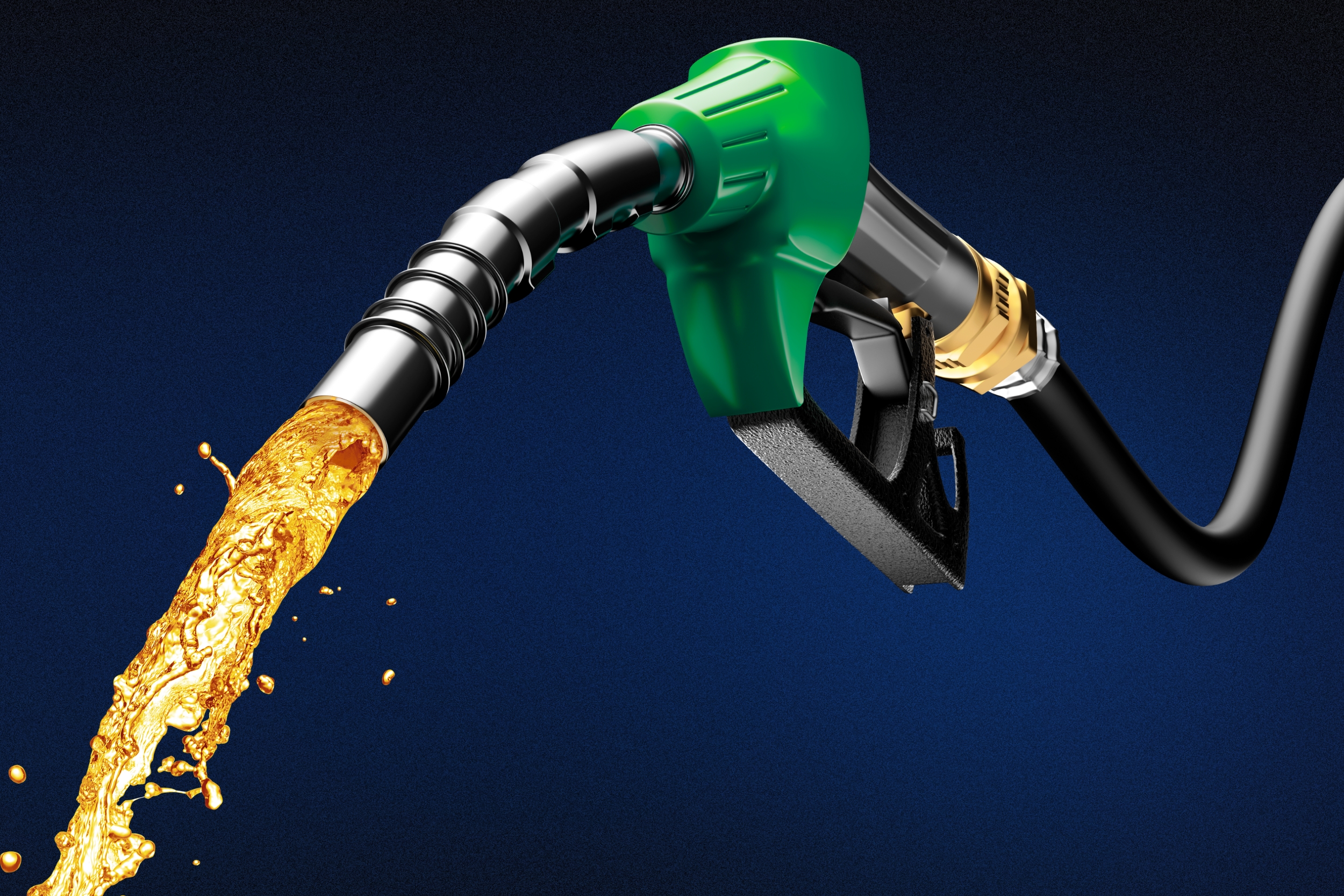
Diesel fuel or diesel oil is the same substance. It is a heavy combustible oil that is designed for use in a diesel engine. It is obtained from fractions of crude oil which is less volatile than gasoline or petrol. Diesel fuel has a higher energy release on combustion compared to an equal volume of gasoline, which results in diesel engines producing superior fuel economy than petrol ones.
There are various grades of diesel which can differ depending on specification or country of use.
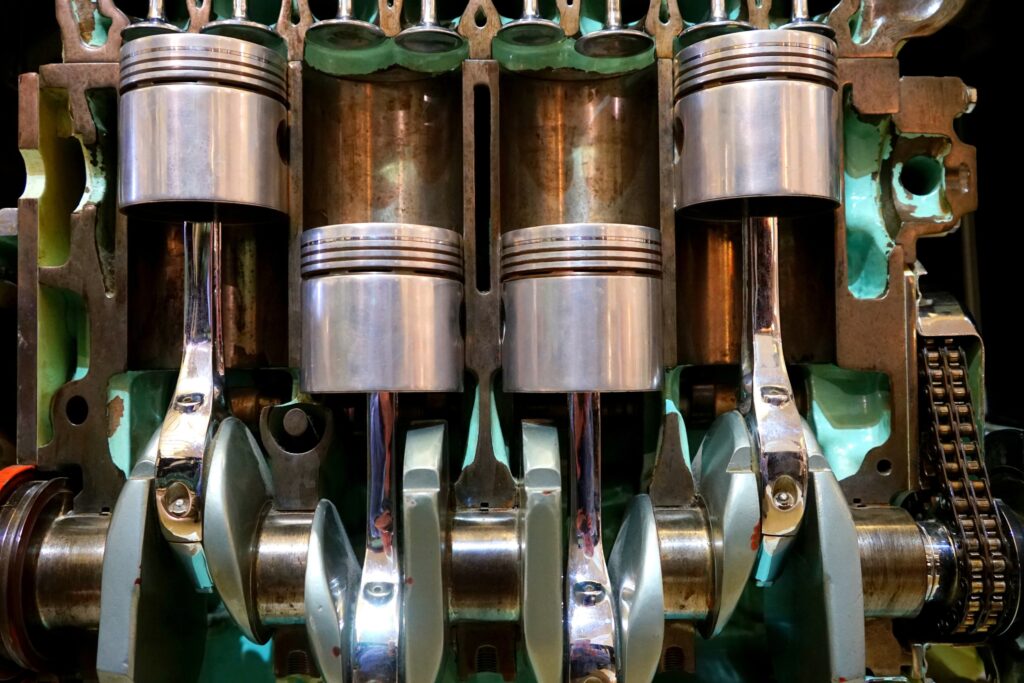
What is the difference between diesel and petrol engines?
Diesel engines use compression ignition (the heat of compressed air ignites fuel) while petrol engines use spark ignition. This difference allows diesel engines to be more efficient and provide more torque.

Can diesel fuel freeze?
Diesel fuel can gel in very cold temperatures due to the paraffin wax in the fuel. Winter diesel formulations and additives help prevent this issue.

How often should diesel fuel filters be replaced?
Replacement intervals can vary based on the vehicle and operating conditions. Generally, it’s recommended to replace fuel filters every 10,000 to 15,000 miles to prevent clogging and maintain engine performance.
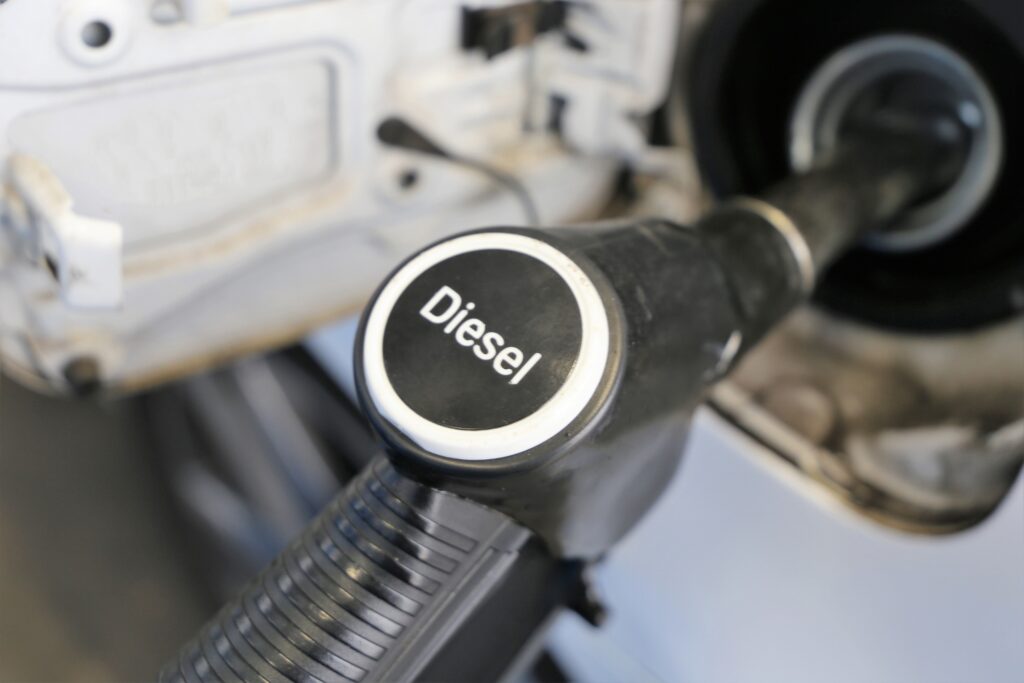
Can I use diesel fuel in a petrol engine, or vice versa?
No, using diesel fuel in a petrol engine or petrol in a diesel engine can cause significant damage and should be avoided.
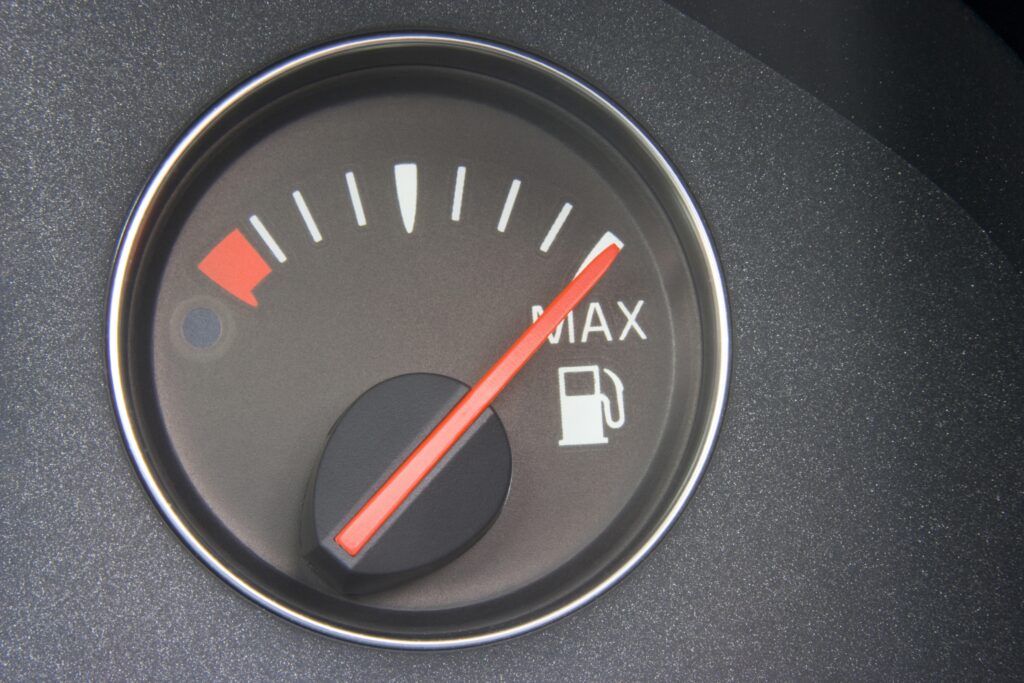
How can I improve my diesel vehicle’s fuel efficiency?
Regular maintenance, including timely oil changes and keeping the air filter clean, can improve efficiency. Driving habits also impact fuel consumption; avoiding rapid acceleration and excessive idling can help conserve fuel.
Head Office
Compass Energy Limited
Bowman House, Bowman Court
Whitehill Lane
Royal Wootton Bassett
Wiltshire SN4 7DB

This website uses cookies so that we can provide you with the best user experience possible. Cookie information is stored in your browser and performs functions such as recognising you when you return to our website and helping our team to understand which sections of the website you find most interesting and useful.
Strictly Necessary Cookie should be enabled at all times so that we can save your preferences for cookie settings.
If you disable this cookie, we will not be able to save your preferences. This means that every time you visit this website you will need to enable or disable cookies again.


