Read Article
Bulk Fuel Storage Safety on Farms During Hot Weather
July 20, 2026/Agricultural



 Malvern01432 381907Northampton01604 345526
 Emergenciesemergency@compassenergy.co.ukORDER FUEL ONLINE NOW
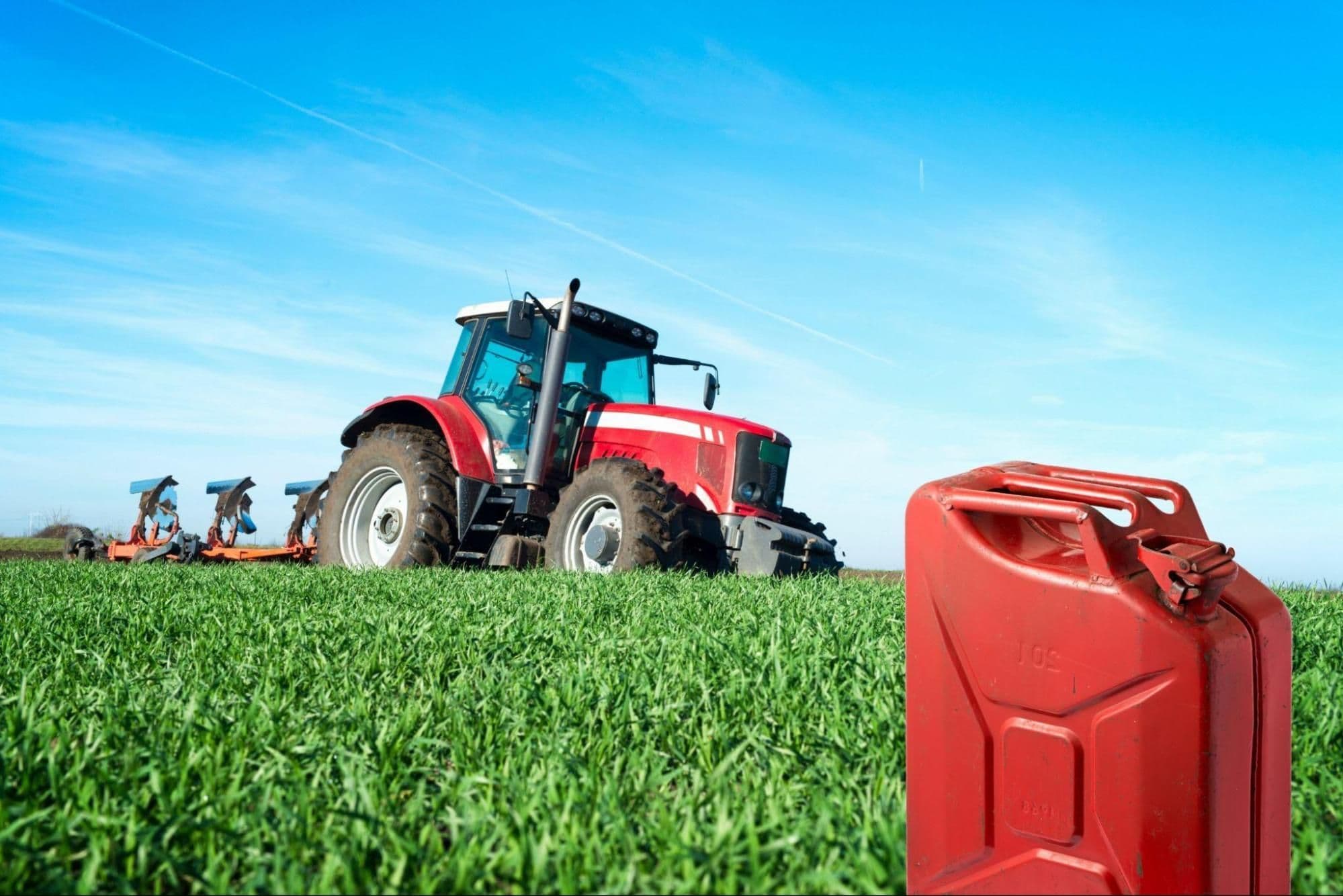
Summer is crunch time. From June through August, UK farms run at full throttle, combines are cutting, balers are rolling, tractors are logging long days, and fuel tanks are draining fast.
The last thing any farmer needs mid-harvest is an HMRC compliance headache because someone fuelled the wrong vehicle, or stored red diesel in a tank that didn’t meet regulations.
Red diesel for farming has always come with a set of rules attached. But since the significant legislative shake-up in April 2022, those rules have sharper edges.
So, we’re covering everything you need to know about red diesel rules for summer farming operations. Who can legally use it? What machinery qualifies? Where do the grey areas lie? How proper storage keeps you compliant, and what happens if HMRC catches misuse? Let’s answer everything, one by one!
Red diesel, formally known as gas oil, and sometimes called tractor diesel, is chemically almost identical to the white diesel you’d put in a road vehicle.
The difference is a red dye added by HMRC to make it instantly identifiable during inspections. That dye represents something significant: a heavily reduced fuel duty rate.
As of the 2025/26 tax year, red diesel is taxed at 10.18 pence per litre (marked gas oil rate), compared to the standard road diesel duty of 52.95 pence per litre.
Across a busy harvest season, when a large arable operation might consume tens of thousands of litres, that’s a difference worth protecting.
Agricultural use is defined as work carried out for agricultural benefit that requires specialist skills, knowledge, or technology relevant to the industry.
HMRC’s accepted agricultural operations include:
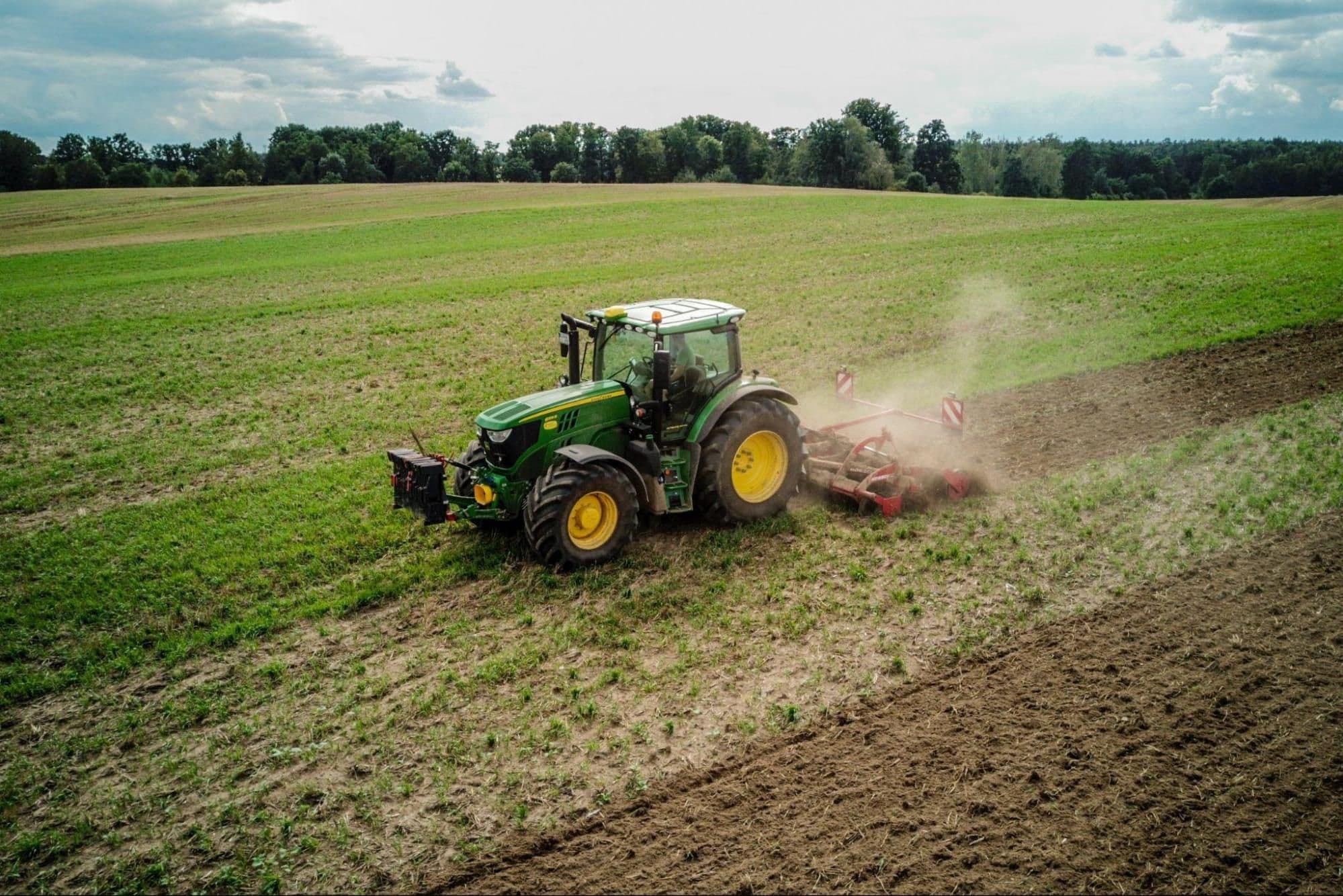
For summer farming specifically, this covers the bulk of what happens on a working arable or mixed farm: ploughing, cultivating, drilling, spraying, harvesting, baling, and moving grain to on-farm storage.
What does NOT qualify? Construction work even on your own farm. If you’re having a new barn built, the diggers and machinery on that site must run on white diesel.
Even when the work is agricultural, the vehicle or machine using the fuel must also qualify. HMRC specifies two categories: Agricultural vehicles, which include:
A useful principle: an agricultural vehicle can use red diesel on public roads only when that road use is an integral part of an agricultural operation. Driving between fields, moving machinery to another farm, or transporting livestock from farm to market are legitimate uses.
There are no set distance limits on the use of red diesel in agricultural vehicles during a qualifying operation. Although if you’re transporting produce more than 15 miles from your base, you may need to consider whether an operator’s license is required.
Note: You cannot mix agricultural and non-agricultural road use in the same vehicle and still legitimately claim red diesel.
Let’s get practical. During a typical UK summer harvest, these are the common questions that arise around red diesel rules:
Yes, permitted. Agricultural vehicles can use red diesel to cut roadsides, hedges, and verges. This is explicitly confirmed in HMRC’s updated guidance issued after April 2022.
Permitted, provided the contractor is traveling to or from your farm to carry out agricultural work, or transporting equipment needed for it. The work must be agricultural in nature, and the contractor’s vehicle must qualify as an agricultural vehicle.
This is where many farms get caught out. HMRC’s preferred position is to have separate, designated vehicles for allowed and non-allowed purposes.
If that’s not practical and a vehicle must switch, the tank must be thoroughly drained of red diesel and flushed with white diesel before any non-qualifying work is carried out.
Now, this depends entirely on purpose.
A generator powering on-farm operations, such as grain drying, irrigation pumps, and barn lighting, generally falls within legitimate agricultural use on agricultural premises. However, generators used for non-agricultural commercial power generation are not permitted.
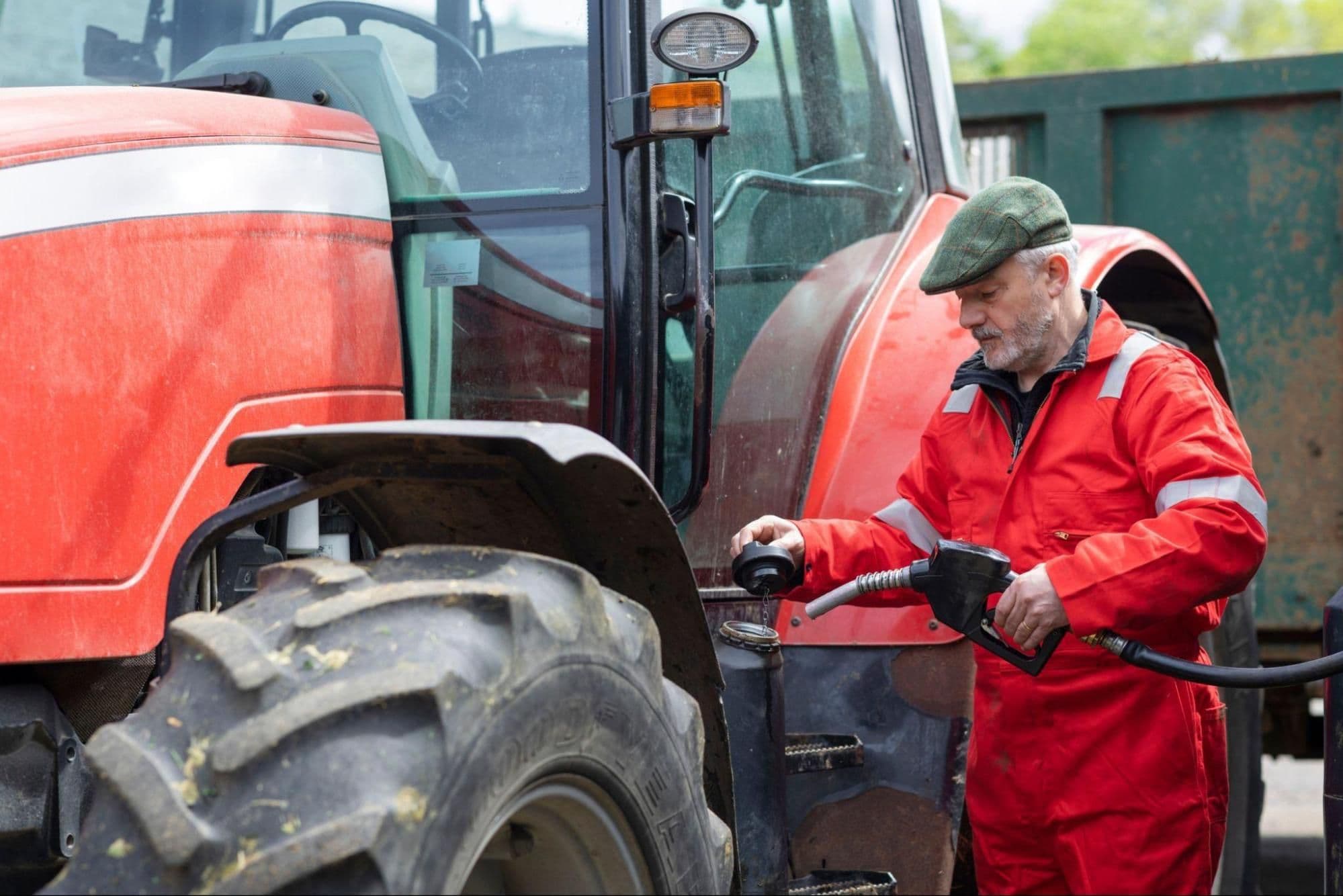
Knowing the usage rules is only half the picture. Proper storage is equally non-negotiable both for HMRC compliance and environmental protection.
The primary legislation governing fuel storage in England is the Control of Pollution (Oil Storage) Regulations 2001. Here’s what UK farmers must know:
During the summer, tanks are refilled more frequently. This is the time to check bunding integrity, inspect for corrosion, and ensure your fill point is secure.
Fuel theft from farm tanks spikes during harvest season when tanks are kept fuller. Good security locked fill points, CCTV, and regular dipstick checks protect both your fuel and your compliance records.
Keeping a log of deliveries and usage is not a legal requirement, but it’s strongly advisable. In the event of an HMRC inspection, a clear record of when fuel was purchased, in what quantity, and for what purpose is your best defence.
The consequences of misusing red diesel are significant, and HMRC has meaningful enforcement powers.
If an HMRC inspection finds red diesel in a vehicle or machine that shouldn’t be using it, they can:
HMRC has indicated it will focus enforcement on deliberate fraud rather than administrative errors, but “I didn’t know” is not a defence.
The guidance in Excise Notice 75 is publicly available and detailed. Ignorance of it won’t protect you at roadside checks or during spot inspections at the farm level.
Red diesel remains one of the most valuable financial tools available to UK farmers, but it comes with a clear compliance framework that demands attention, particularly during summer when fuel demand peaks.
The key principles are straightforward: the work must be agricultural, the vehicle must qualify, storage must meet bunding regulations, and any supplier you use must be RDCO-registered.
At Compass Energy, we supply red diesel for farming operations across the UK, and we’re here to ensure your fuel arrives on time, from a fully compliant source.
Ready to secure your summer fuel supply? Get a free quote from Compass Energy today and keep your harvest running without a hitch.
Bulk Fuel Storage Safety on Farms During Hot Weather
July 20, 2026/Agricultural
Reliable Fuel Supply vs Buying on the Spot Market
April 9, 2026/Agricultural | Industrial
Seasonal Fuel Needs: Preparing Your Farm for Spring Planting and Harvest Season
July 15, 2025/Agricultural