Bulk Fuel Storage Safety on Farms During Hot Weather
As UK summers grow hotter and deplorably unpredictable, especially in July and August when air temperatures can reach 30°C or beyond, fuel storage on farms demands extra attention. High temperatures accelerate fuel degradation, increase tank pressure, and heighten environmental and safety risks.
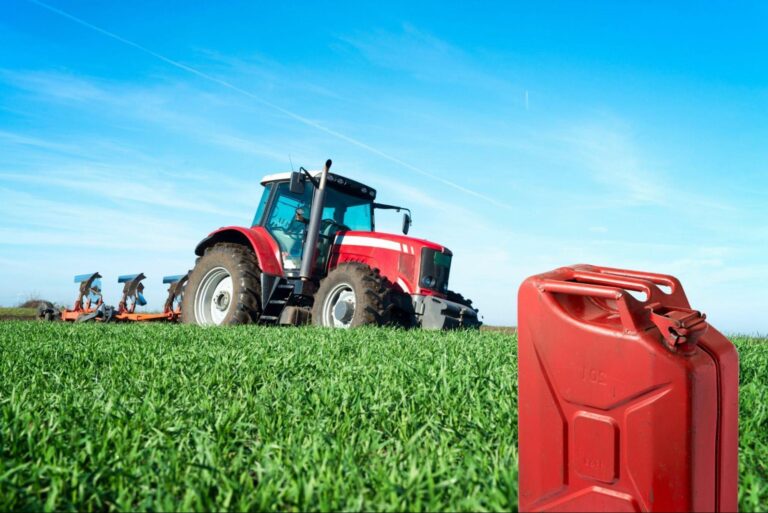
With farms relying heavily on bulk fuels for machinery, generators, and heating, proper farm fuel storage in summer is essential for compliance, productivity, and to prevent costly incidents.
This blog covers everything UK farmers need to know about bulk fuel storage safety in summer. The science of what heat does to your fuel, a pre-season checklist, and how to manage fuel quality in the sweltering summer. So, let’s get going!
What Hot Weather Actually Does to Stored Fuel on Farms
-
Thermal Expansion and Pressure Build-Up
Diesel expands as it heats, potentially stressing tank walls, seals, and valves. A tank filled to near-capacity during a cooler morning delivery can face pressure stress by mid-afternoon if vents are partially blocked or pressure relief valves are poorly maintained.
-
Accelerated Fuel Degradation
According to BP fuel storage data, diesel stored at around 20°C can remain in usable condition for 12 months or longer. At ambient temperatures consistently above 30°C, that window narrows to 6-12 months.
Heat accelerates oxidation, the chemical process where diesel reacts with oxygen to form sludge, gums, and sediment. Once that process is underway, it clogs fuel filters, damages injectors, and degrades engine performance in the very machinery you need most at harvest.
-
Condensation and Water Ingress
When a tank heats during the day and cools overnight, temperature cycling causes moisture to condense on the inner tank walls. That water settles at the bottom of the tank.
Water in diesel creates the perfect conditions for microbial growth, bacteria, and fungi that produce sludge, corrode tank walls from the inside, and further degrade fuel quality.
-
Vapour Risk Near Ignition Sources
Red diesel is classified as a combustible rather than flammable fuel, with a flash point above 55°C. While this makes it safer to store than petrol, hot weather does increase vapour production around fill points, vents, and any damaged seals.
In the vicinity of machinery, straw, or dry crop material, all abundant on a summer farm, that’s not a risk to dismiss.
Fuel Storage on Farms in Summer: Pre-Season Inspection Checklist
-
Location and Positioning
- Ensure tanks are on stable, non-combustible bases away from slopes that could channel spills toward water.
- Provide shade or reflective covers to reduce direct sunlight and internal temperatures.
- Maintain clear 10-metre setbacks from watercourses and flammable materials.
-
Tank Integrity and Bunding
- Inspect bunds for cracks, water accumulation, or debris. They must remain impermeable and hold 110% capacity.
- Check tanks for signs of bulging, corrosion, UV damage, or seal degradation.
- Verify overfill prevention devices and vents are clear and functional.
-
Fuel Quality Management
- Test for water and sediment regularly, and drain off as needed.
- Use approved fuel additives or biocides to combat microbial growth accelerated by heat.
- Consider rotating stock: use older fuel first and top up during cooler periods.
-
Fire Safety and Perimeter Control
-
Clear vegetation and combustible materials within a generous radius.
- Position fire extinguishers (suitable for fuel fires) nearby and ensure staff training.
- Install “No Smoking” and hazard signage.
Security Measures for Fuel Storage on Farms in Summer
Fuel theft remains a major rural crime. NFU Mutual’s 2026 Rural Crime Report estimated rural crime cost the UK £41.5 million in 2025, with agricultural fuel a frequent target.
- Use secure locks, CCTV, or alarm systems on tanks and access points.
- Consider bunded tanks with anti-siphon features.
- Report suspicious activity promptly.
- Conduct weekly visual inspections during hot weather, logging results.
- Schedule professional OFTEC-registered inspections annually or after extreme weather.
- Keep records of maintenance, fuel deliveries, and tests for compliance audits.
Bulk Fuel Storage in Summer: Managing Fuel Quality
- Order what you need, when you need it. Bulk buying for cost efficiency makes sense, but carrying very large volumes of diesel over the summer months means more fuel sitting in a hot tank for longer.
- Use fuel additives proactively. A quality biocide treatment addresses microbial growth before it starts, far easier and cheaper than polishing or disposing of contaminated fuel later. A diesel stabiliser or antioxidant additive can extend usable shelf life significantly.
- Shade matters more than most farmers realise. A tank positioned in direct sunlight will absorb radiated heat all day. Even a simple shade structure, corrugated sheeting, and wooden framing can reduce tank surface temperature meaningfully and slow fuel degradation.
Note: If you’re installing a new tank or relocating an existing one, a north-facing wall or shaded corner of the yard is the better position.
- Watch for early signs of contamination. If machinery is showing unusual filter blockages, sluggish starting, or dark exhaust, degraded fuel should be on your diagnostic list. Visually, degraded diesel loses its clear amber colour, becoming darker or hazy. Cloudiness in the fuel indicates water contamination.
Farms Fuel Storage in Summer: Compliance Self-Check
Before the busy season is fully underway, ask yourself these five questions. Each one maps to a compliance or safety requirement:
- Is my bund intact and capable of holding 110% of my tank’s capacity?
- Are all vents, pressure relief valves, and shut-off valves clear and functional?
- Is the area around my tank free from dry vegetation and combustible material?
- Is my tank clearly labelled, and do I have a delivery log in place?
- Are the fill point and draw-off valve physically secured?
If any answer is no, that’s the starting point, not something to defer until after harvest.
Frequently Asked Questions (FAQs)
-
How often should I inspect fuel storage on farms during summer?
Weekly visual checks are recommended during periods of hot weather to spot early signs of pressure build-up, leaks, or contamination. In addition, arrange a professional OFTEC-registered inspection at least annually, or more frequently after extreme heatwaves or storms.
-
Does SSAFO apply to all bulk fuel storage on UK farms during the summer?
SSAFO regulations primarily apply to agricultural fuel oil storage exceeding 1,500 litres. However, smaller installations or fuels used for non-agricultural purposes (such as commercial vehicles) may fall under the separate Control of Pollution (Oil Storage) Regulations 2001.
-
What temperature affects diesel quality the most?
Diesel quality begins to degrade more rapidly above 20–25°C, with oxidation and microbial growth accelerating significantly in sustained heat above 30°C. Keeping your bulk fuel storage shaded and well-ventilated helps maintain fuel stability and prevents sludge formation, which can damage machinery.
-
Is bunding mandatory for fuel storage on farms?
Yes, for any agricultural fuel oil installation over 1,500 litres under SSAFO rules, secondary containment (bunding) with at least 110% of the largest tank’s capacity is mandatory.
-
How can I reduce theft risk for bulk fuel storage?
Practical steps include installing high-security locked caps, perimeter fencing with CCTV or motion-sensor lighting, and alarm systems. Many farmers are also adopting telemetry-based tank monitors that send alerts for unusual activity.
Conclusion
Bulk fuel storage safety on farms during hot weather is not a niche concern. It sits at the intersection of operational reliability, environmental responsibility, and financial protection.
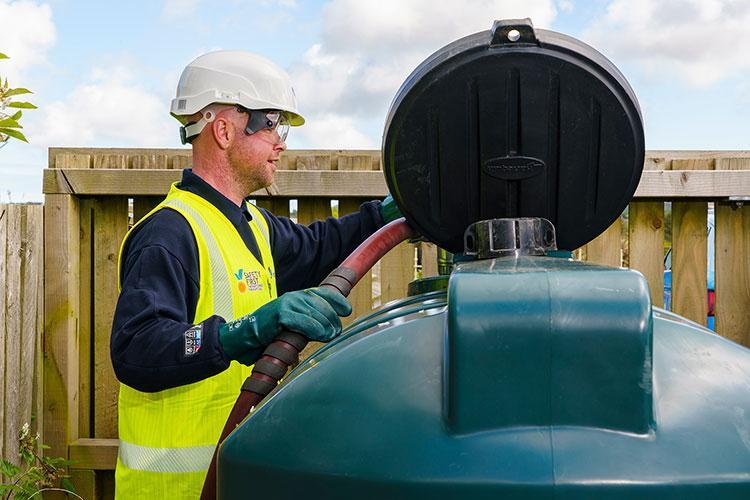
At Compass Energy, we supply high-quality agricultural diesel to farms across the UK and are committed to being more than just a delivery service. We’re here to help you store safely, stay compliant, and keep your operation running when it matters most.
Talk to us today for a free quote on farm fuel supply, and ask our team about our Tank Mate service to monitor your on-farm storage through the summer season.